For modern IT teams, delivering exceptional digital experiences has become a necessity. However, with digital supply chains now spanning owned and unowned networks, cloud environments, and applications, maintaining a comprehensive view of performance has become increasingly complex. Limited visibility often leads to finger-pointing, reactive responses, and prolonged downtime, which not only impacts internal teams but also negatively affects the user experience. Cisco helps customers address these problems with our new ThousandEyes and Splunk integrations, providing end-to-end digital resilience that empowers organizations to stay ahead of issues before they escalate and respond quickly when they do.
Hidden Gaps in Digital Operations
Today’s digital ecosystems comprise an interconnected web of owned and unowned networks, applications, and infrastructure. The tools used to monitor these different layers are often siloed, resulting in a fragmented view that can create key operational challenges, including:
- Teams spending more time assigning blame instead of solving problems together
- Root cause analysis that is reactive and time-consuming
- Outages and disruptions that significantly degrade user experiences
Taken together, these challenges slow down operations, increase downtime, and make it harder for teams to prioritize urgent incidents. To address these gaps, organizations need a unified approach to visibility across all domains.
Bringing Together ThousandEyes Assurance and Splunk Observability
The new integrations announced at Cisco Live transform operations by combining real-time observability from Splunk with ThousandEyes’ assurance capabilities. This comprehensive approach gives IT teams complete visibility into every digital experience—from end users to backend application services—enabling faster resolution, improved collaboration, and a more proactive approach to incident management. Together, these integrations help fill the critical gaps left by siloed monitoring solutions.
Splunk IT Service Intelligence (ITSI) Integration With Cisco ThousandEyes
This new bi-directional integration enhances existing Splunk ITSI views with critical context into owned and unowned networks, as well as digital experience insights from ThousandEyes. Additionally, ThousandEyes views gain Splunk ITSI service health and business impact analysis. This enables IT, networking, and engineering teams to prevent and contain issues more efficiently, supporting AI-driven incident management across the entire digital stack.
To try this integration out for yourself, follow these instructions.
Splunk Observability Cloud Integration With Cisco ThousandEyes
This integration presents a unified view of how synthetic transactions flow across networks and through to backend application services. Building on ThousandEyes’ distributed tracing support, it pulls in service map information from Splunk into the ThousandEyes platform, providing networking teams with key application performance insights. Plus, with new cross-launching capabilities, teams can seamlessly navigate to Splunk APM in context, enabling them to utilize correlated stack traces to further investigate issues. This shared context and ability to quickly pivot between platforms empowers teams to resolve issues faster across the entire digital supply chain.
Cisco ThousandEyes App for Splunk
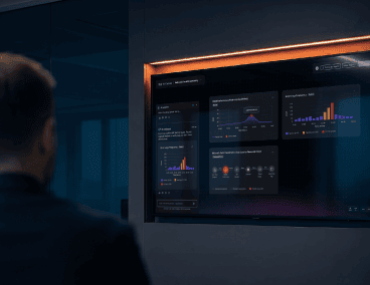
The new Cisco ThousandEyes App for Splunk enables customers to automatically ingest and correlate ThousandEyes network insights and digital experience intelligence into Splunk’s platform. It also comes with pre-built, customizable dashboards, allowing organizations to gain instant insights and achieve rapid time to value.
Get started with the Cisco ThousandEyes App for Splunk today, and in just a few clicks, you can tap into the power of unified observability and assurance.
What This Means for ThousandEyes and Splunk Users
When IT and networking teams use these new integration points, they unlock tangible value that empowers them to deliver end-to-end digital resilience. Here are three major benefits:
AI-driven Incident Management
Utilize AI to anticipate and prevent potential issues, resolve them promptly when they arise, and prioritize operational efforts based on critical service impact to help keep your business running.
Unified Visibility
Get end-to-end visibility across owned and unowned networks, applications, and infrastructure, including how synthetic transactions flow through backend application services. This helps break down silos between IT, networking, and engineering teams with a single source of truth for performance data.
Enhanced Collaboration
Equip your teams with shared context in familiar dashboards and views, seamless cross-launching capabilities, and AI-powered automation that enables IT and networking teams to work together more efficiently.
See the Whole Picture With Cisco
The future of operations lies in breaking down barriers between teams and moving to a more proactive approach to ensure every digital experience is resilient. With Cisco’s new ThousandEyes and Splunk integrations, organizations can streamline workflows, resolve issues faster, and ensure seamless digital experiences—all while building a more resilient digital supply chain.
Don’t take our word for it. Try the integrations out for yourself to experience the power of true end-to-end visibility and discover how this unparalleled combination of observability and assurance can revolutionize how your teams operate.